
How to Reduce Risk with Local 3D Printing

Working with a local 3D printing partner in Charlotte, NC cuts project risk by shortening feedback loops, eliminating shipping variables, and enabling same-day design reviews. For engineering teams on tight deadlines, that proximity can be the difference between shipping on time and blowing your launch date.
When you’re developing a new product or replacing a critical component, risk management is everything. Every extra day in the timeline, every miscommunication with a remote vendor, and every part that shows up wrong adds cost and delays your launch. Working with a local 3D printing partner in Charlotte, North Carolina eliminates many of these risks before they become problems.

Faster Iteration Cycles
The biggest advantage of local production is speed. When your prototyping partner is in the same city, you can go from design change to physical part in days instead of weeks. That means more iteration cycles in the same timeframe, which leads to better final products.
We’ve seen teams catch critical design issues on iteration two that would have been expensive to fix after tooling. The ability to hold a part in your hands, test the fit, and send feedback the same day is a huge advantage for engineering teams working on tight deadlines.
The Math on Iteration Speed
Consider a typical product development cycle that requires 4 prototype iterations:
- Remote vendor (shipping from coast): 4 iterations × 10-14 days each = 40-56 days
- Local partner (Charlotte, NC pickup/delivery): 4 iterations × 3-5 days each = 12-20 days
That’s a potential savings of 28-36 days, nearly a full month faster to market. For Charlotte, NC startups racing to hit a product launch window, that timeline compression can be a game changer.
Face-to-Face Design Reviews
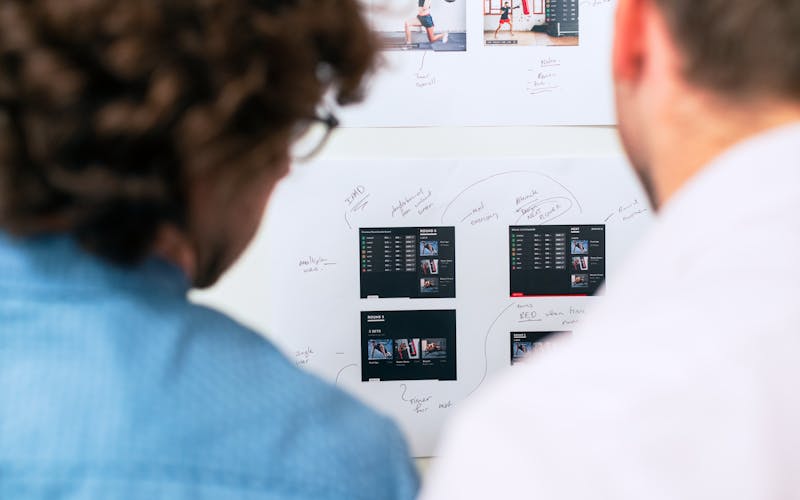
Remote vendors rely on email and file transfers. Local partners can sit down with your team, review the design in person, and flag potential issues before printing begins. This is especially important for parts with tight tolerances, complex assemblies, or specific surface finish requirements.
At CLT 3D Printing, we offer in-person design reviews for Charlotte-area clients. Bring your CAD files and we’ll walk through the build orientation, support strategy, and material selection together.
What We Catch in Design Reviews
In-person design reviews consistently catch issues that don’t show up in email exchanges:
- Interference fits that look fine on screen but don’t assemble correctly
- Wall thickness that’s technically printable but too fragile for the application
- Surface finish requirements that need a different print orientation or post-processing step
- Assembly sequence issues that require design changes for manufacturability
These are the kinds of problems that cost weeks when discovered after a remote vendor has already shipped the wrong parts.
Supply Chain Simplicity
Shipping 3D-printed parts across the country introduces variables you can’t control: transit damage, weather delays, and lost packages. Local pickup or same-day delivery eliminates these risks entirely. For time-sensitive projects, this alone can justify working with a local partner.
Cost Comparison: Local vs. Remote
Beyond the obvious time savings, local production often beats remote vendors on total project cost when you factor in the full picture:
| Cost Factor | Remote Vendor | Local Partner |
|---|---|---|
| Shipping (per iteration) | $15-50+ | $0 (pickup) |
| Rush fees for expedited shipping | $30-100+ | Not needed |
| Cost of failed iterations | High (2-week delay each) | Low (2-3 day turnaround) |
| Communication overhead | Email chains, timezone gaps | Quick calls, in-person meetings |
| Damaged parts in transit | Reprint + reship (2+ weeks) | Reprint same-day |
For Charlotte-area manufacturers running ongoing production of fixtures and jigs, the savings compound even further. Monthly tooling orders with local pickup eliminate shipping costs entirely and ensure parts are always available when the production line needs them.
Quality Control You Can Verify
When parts ship from across the country, quality issues aren’t discovered until the package arrives. With a local partner, you can inspect parts before leaving the facility. For critical applications, this hands-on quality verification eliminates an entire category of risk.
Our Charlotte facility is open for client visits. You can watch your parts come off the printer, verify dimensions with calipers, and test-fit assemblies before taking parts back to your shop. Several of our Lake Norman, NC manufacturing clients have standing weekly pickups where they review parts with our team before taking them to the production floor.
Protecting Intellectual Property
Sending proprietary designs to remote vendors, especially overseas, introduces IP risk. Working with a local, trusted partner reduces this exposure. At CLT 3D Printing, we sign Non-Disclosure Agreements (NDAs), store files securely, and never share client designs or project details. Your IP stays protected.
Getting Started with Local Prototyping
If your team is in Charlotte or the Lake Norman, NC area and you’re looking for a more reliable prototyping workflow, we’d love to talk. Request a quote and let’s discuss how we can help reduce risk on your next project. You can also learn more about our rapid prototyping capabilities and services.
We work with teams across industries, from consumer electronics startups in South End to manufacturing operations in Mooresville and Statesville. Wherever you are in the Charlotte, NC metro area, we’re close enough to make local production and delivery work for your team.
Related Articles
Supply Chain Resilience Through 3D Printing
Build supply chain resilience with on-demand 3D printing. Local production reduces dependencies and lead times.
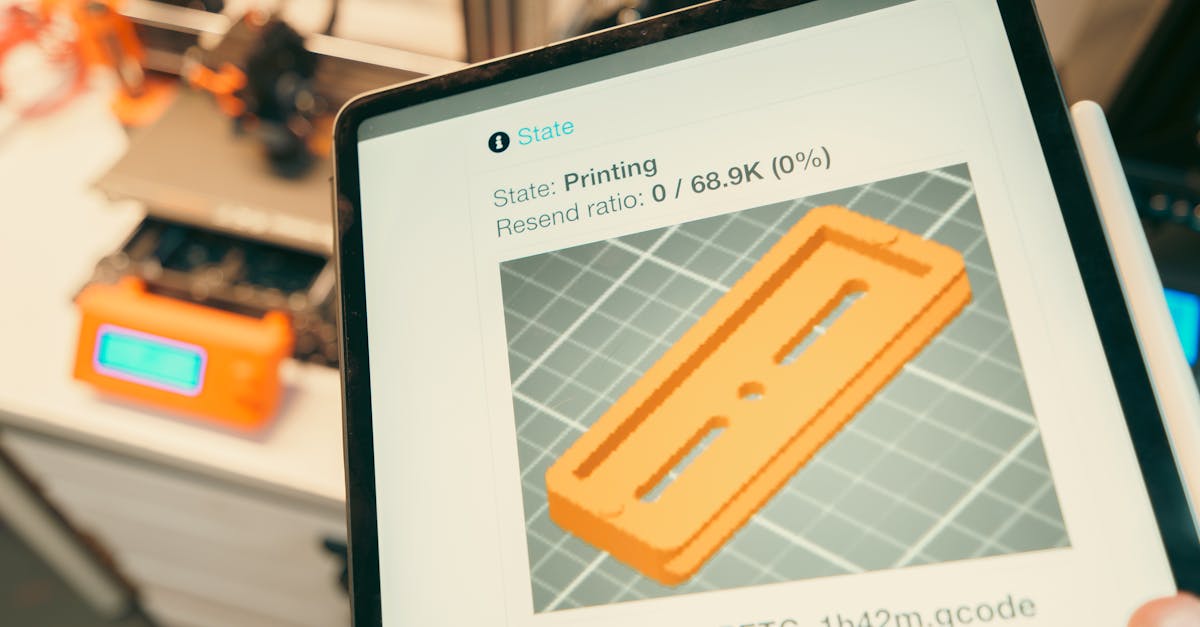
Cloud 3D Printing vs Local: What Matters
Cloud printing Charlotte NC services promise convenience, but local 3D printing service partners deliver speed, quality, and accountability.
Best 3D Printing Service Selection Guide
Learn how to evaluate commercial 3D printing shops for quality, turnaround time, and value.