Rapid Prototyping in Charlotte, NC

Rapid prototyping with 3D printing lets Charlotte, NC businesses go from CAD file to physical part in days, not weeks. If you’re validating a product concept, testing fit and function, or preparing for a client presentation, a local prototyping partner eliminates the shipping delays and miscommunication that slow remote workflows to a crawl.
Rapid prototyping has become essential for product development teams in Charlotte and the surrounding Lake Norman, NC area. Whether you’re a startup launching your first hardware product or an established manufacturer iterating on a new component, having a reliable local prototyping partner can make the difference between hitting your timeline and missing it entirely.
Why Lead Time Matters More Than You Think
The most common mistake we see is teams underestimating how long the full prototyping cycle takes. It’s not just about print time. It’s design review, material selection, print setup, post-processing, and quality checks. A part that takes 8 hours to print might need 2-3 days of total turnaround when you factor in the complete workflow.
At CLT 3D Printing, our standard turnaround is 5-7 business days, with rush options available for 2-3 day delivery. For Charlotte-area clients, local pickup can shave another day off the timeline.
Breaking Down the Timeline
Here’s what a typical prototyping cycle looks like:
- Design review (Day 1): We check your file for wall thickness, overhangs, and support requirements. This catches 90% of potential print failures before they happen.
- Material selection and quoting (Day 1-2): Based on your application requirements, we recommend the right material for your project and provide a detailed quote.
- Print production (Day 2-4): Actual print time varies by part size and complexity. Large parts or high-detail prints may run overnight.
- Post-processing (Day 4-5): Support removal, sanding, and quality inspection ensure the part meets your specifications.
- Delivery or pickup (Day 5-7): Local Charlotte and Lake Norman, NC clients can pick up same-day. We also ship nationwide.
The Cost of Getting It Wrong
A failed prototype doesn’t just waste material. It wastes your team’s time and pushes back your launch timeline. We’ve seen Charlotte startups lose weeks because they sent files to a remote vendor, received parts that didn’t fit, and had to start the cycle over with slow shipping each way. Working locally means you can hold the part in your hands, test the fit, and get a revised version printed within days instead of weeks.
Common Pitfalls to Avoid
Skipping the design review. Sending a file straight to print without a manufacturability check often leads to failed prints or parts that don’t meet expectations. We review every file for wall thickness, overhangs, and support requirements before printing begins. Check our design guide for tips on designing parts optimized for 3D printing.
Choosing the wrong material. PLA looks great for visual prototypes, but if your part needs to survive heat, chemicals, or mechanical stress, you need PETG, ABS, or nylon. We help teams match materials to their actual use case, not just what’s cheapest or fastest to print. Read our full materials comparison guide to learn the trade-offs.
Not planning for iteration. The best prototyping workflows assume you’ll need at least 2-3 rounds. Build that into your timeline and budget from the start, and you’ll end up with a better final part without the last-minute scramble.
Ignoring build orientation. The direction a part is printed affects its strength, surface finish, and accuracy. A bracket printed flat may be strong in one direction but weak in another. We optimize orientation for each part’s specific requirements.
Over-tolerancing. Specifying ±0.05mm tolerances on non-critical features drives up cost and time. We help teams identify which dimensions actually matter and where standard ±0.2mm tolerances are perfectly adequate.
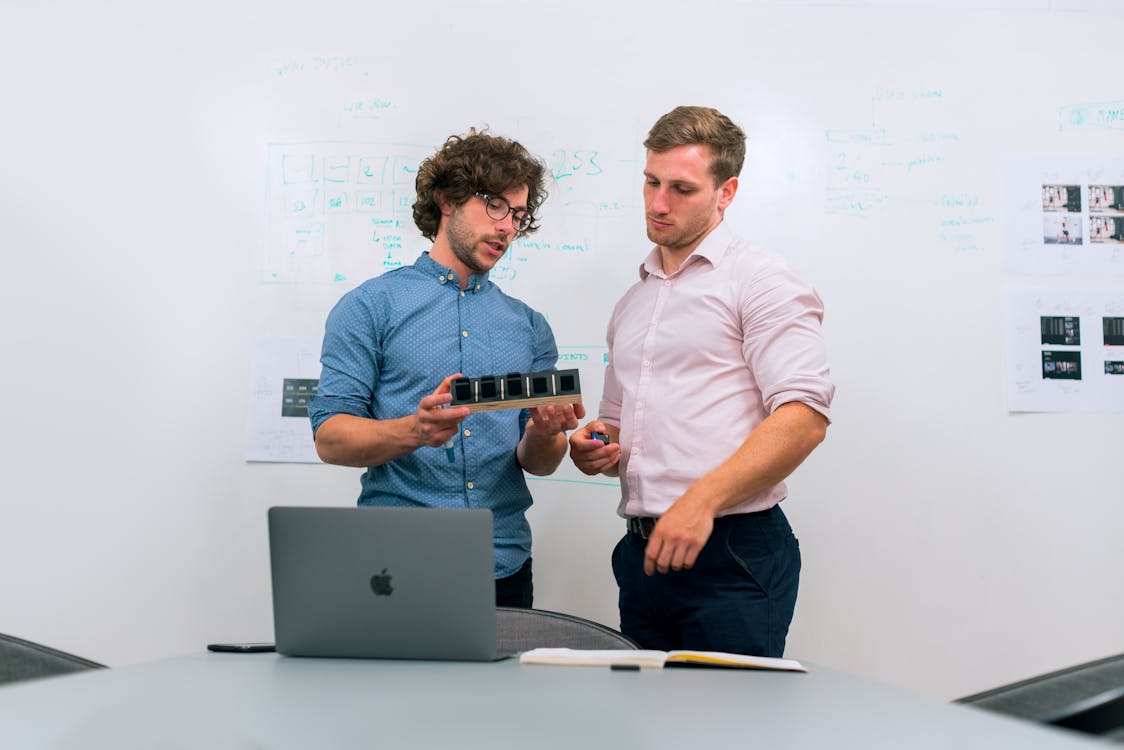
Real-World Example: Charlotte Startup Cuts Timeline by 60%
A Charlotte, NC consumer electronics startup came to us after spending six weeks going back and forth with an overseas prototyping vendor. Their enclosure prototype didn’t fit their PCB, and each revision cycle took 10-14 days due to international shipping.
We printed their first revised prototype within 3 days. After a quick in-person fit check at our Charlotte facility, we identified two additional modifications and had the final version ready 48 hours later. Total time from first contact to approved prototype: 7 days, compared to the 6+ weeks they’d already spent.
Why Charlotte Teams Choose Local Prototyping
Working with a local Charlotte-based team means faster shipping, easier communication, and the ability to stop by for a hands-on review. For manufacturing teams in the Lake Norman corridor and startups across the Charlotte, NC metro area, having your prototyping partner nearby changes the entire development workflow. We offer delivery throughout the greater Charlotte region.
If you’re planning a prototyping project, get a quote and we’ll help you plan for success from day one. You can also explore our services and capabilities to see how we support teams from initial concept through production.
Related Articles
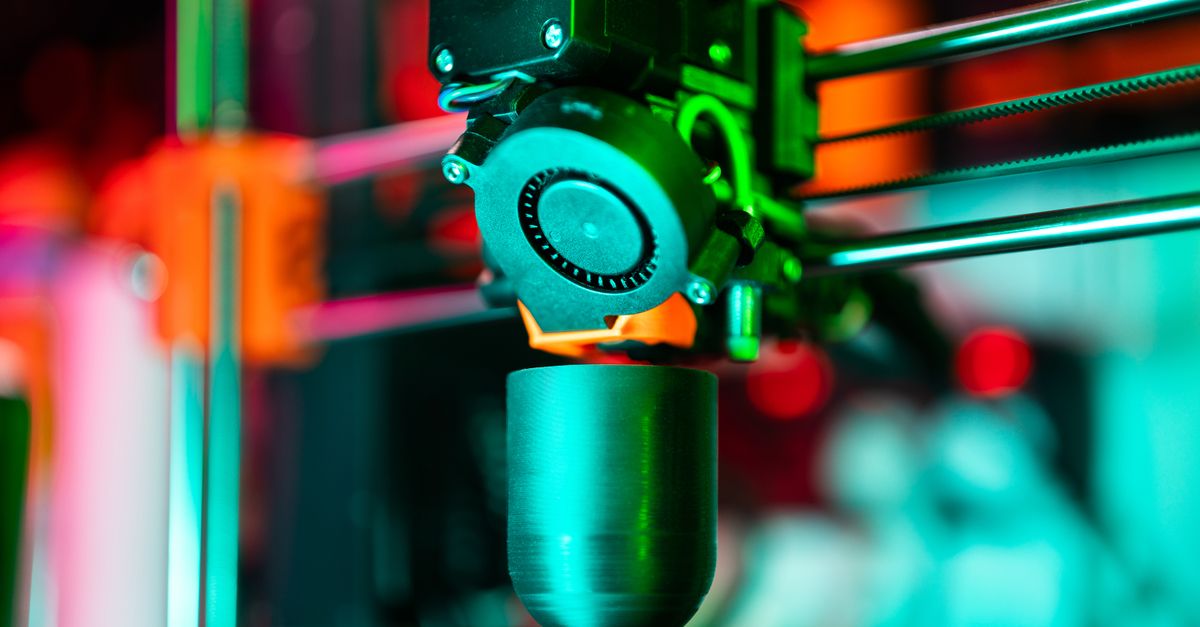
Prototype Testing Methods That Save Time
Learn proven prototype testing techniques that accelerate development cycles and catch issues before expensive production runs.
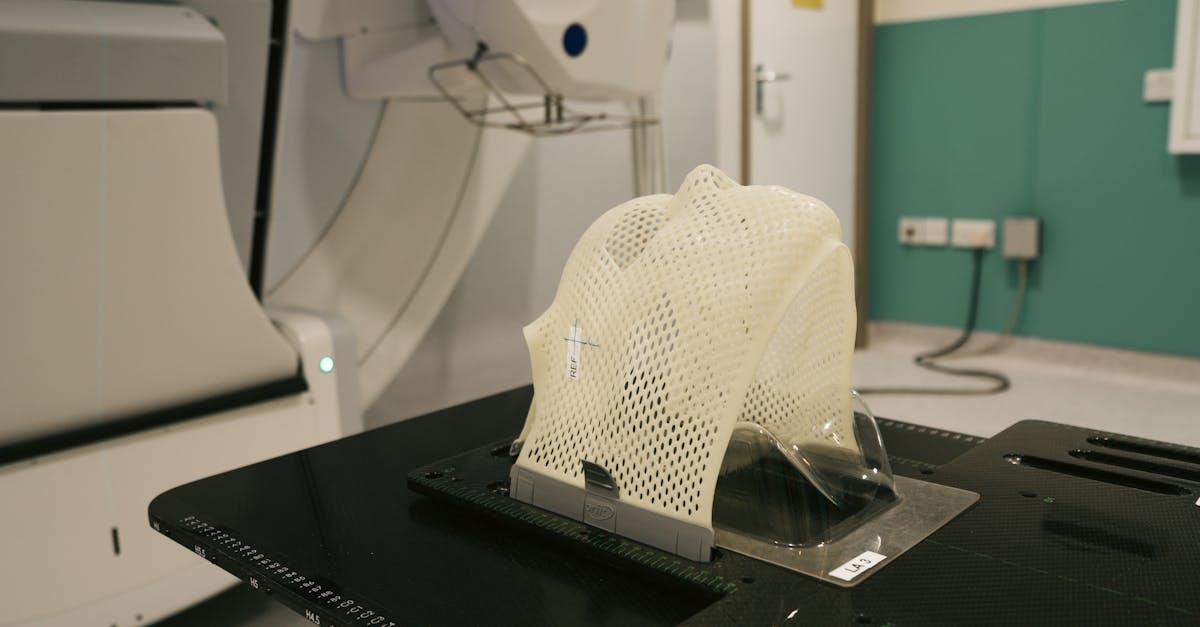
3D Printing Compliance for Medical Device Prototypes
Navigate FDA guidelines and ISO standards when using 3D printing for medical device development and prototyping.
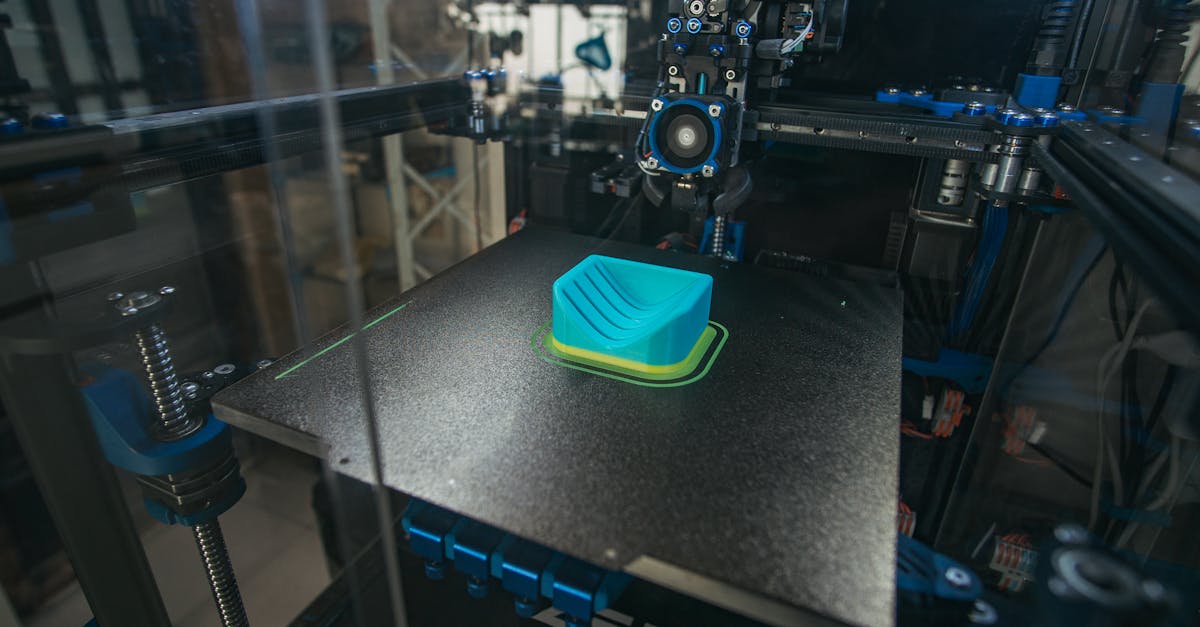
AI-Powered Design: Future of 3D Printing
AI design tools are transforming 3D printing workflows. Learn how generative design speeds prototyping.