
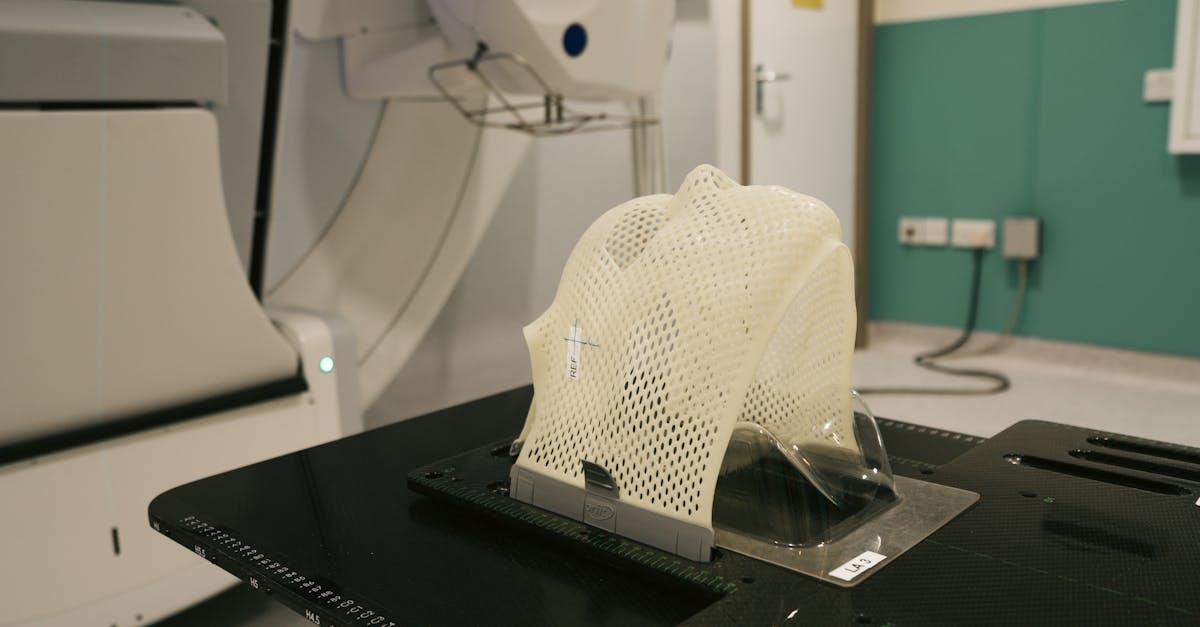
Photo by Jo McNamara on Pexels
3D Printing Compliance for Medical Device Prototypes

3D Printing Compliance for Medical Device Prototypes
Medical device companies face a complex regulatory landscape when developing new products. While 3D printing has revolutionized medical device prototyping by enabling rapid iteration and complex geometries, understanding the compliance requirements remains crucial for successful product development.
Why Medical Device Companies Choose 3D Printing
Speed drives innovation in medical technology. Traditional manufacturing methods for medical device prototypes can take weeks or months, while 3D printing delivers functional prototypes in days. This acceleration enables engineers to test form, fit, and function earlier in the development cycle.
The ability to create complex internal channels, organic shapes, and patient-specific geometries makes 3D printing particularly valuable for medical applications. Whether developing surgical guides, custom implants, or diagnostic equipment housings, additive manufacturing offers design freedom that conventional methods cannot match.
Understanding the Regulatory Landscape
The FDA distinguishes between prototypes for design verification and those intended for clinical use. This distinction shapes every decision in the prototyping process.
Design verification prototypes fall under less stringent requirements. These prototypes test mechanical properties, ergonomics, and functionality without patient contact. Engineers can use standard 3D printing materials and processes for these applications, focusing on accurate representation of the final design rather than biocompatibility.
Clinical prototypes require careful material selection and process documentation. Even for short-term testing, any prototype that contacts patients must consider biocompatibility requirements outlined in ISO 10993.
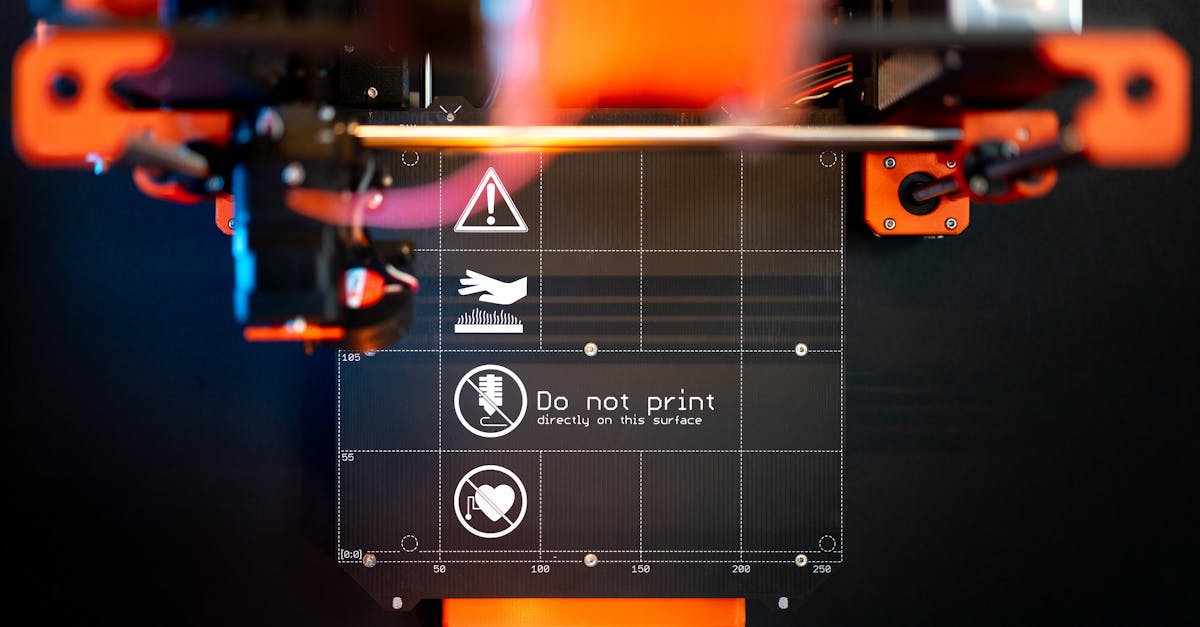
Photo by Jakub Zerdzicki on Pexels
Material Selection for Medical Prototypes
Non-Contact Prototypes
For prototypes that won’t contact patients, standard 3D printing materials offer excellent options:
PLA works well for visual models and basic functional testing. Its ease of printing and dimensional accuracy make it ideal for early-stage concept models and ergonomic studies. Design teams can quickly iterate through multiple versions to refine user interfaces and housing designs.
PETG provides enhanced durability for functional testing. Its chemical resistance and mechanical properties better represent many production plastics used in medical devices. Enclosures for electronic medical devices often benefit from PETG’s balance of strength and clarity.
ABS enables testing in more demanding conditions. Its higher temperature resistance allows for autoclave compatibility testing and evaluation of devices that may experience elevated temperatures during use or sterilization.
Biocompatibility Considerations
While we primarily work with standard materials at CLT 3D Printing, understanding biocompatibility helps inform prototype design decisions. Medical-grade filaments exist for FDM printing, but they require specialized handling and documentation that dedicated medical manufacturers provide.
Documentation Requirements for Prototypes
Traceability matters even in early development. Medical device companies should maintain records of prototype iterations, including:
- Design files and revision history
- Print parameters and material batch information
- Test results and failure modes
- Design rationale for changes between iterations
This documentation supports design history files required for FDA submissions. Starting good documentation practices during prototyping streamlines later regulatory processes.
Design for Manufacturing Transition
Early DFM Considerations
3D printed prototypes offer design freedom that production methods may not support. Smart development teams consider manufacturing constraints even during prototype phases:
Wall thickness requirements differ between 3D printing and injection molding. A 1mm wall prints easily but may not fill properly in a mold. Planning for 1.5-2mm minimum walls in prototypes helps avoid redesigns later.
Draft angles aren’t necessary for 3D printing but become critical for molded parts. Adding 1-2 degree draft angles to prototype designs validates aesthetics and functionality with production-ready geometry.
Assembly methods should reflect production intent. While 3D printing can create complex assemblies as single parts, production often requires multiple components. Designing prototypes with snap fits, ultrasonic welding bosses, or adhesive bond areas tests real assembly methods.
Quality Systems for Medical Prototyping
ISO 13485 certification isn’t required for prototype services, but understanding its principles helps medical device companies work effectively with 3D printing providers.
Key Quality Considerations
Change control prevents unauthorized modifications to validated designs. Medical device companies should establish clear revision control procedures, even for prototypes. Each iteration should have defined objectives and acceptance criteria.
Supplier qualification varies based on prototype use. For design verification prototypes, standard commercial 3D printing services suffice. Clinical prototypes may require suppliers with medical industry experience and appropriate quality systems.
Risk management applies throughout development. Consider how prototype quality affects test validity. A poorly printed prototype might fail testing due to manufacturing defects rather than design issues, leading to incorrect design decisions.
Best Practices for Medical Device Prototyping
Iteration Strategy
Start rough, refine systematically. Initial prototypes can use simplified geometry and standard materials to prove basic concepts. Each iteration should address specific questions:
- Does the device fit in the intended anatomical space?
- Can users manipulate controls while wearing surgical gloves?
- Do moving parts operate smoothly through expected cycles?
- Does the housing protect internal components adequately?
Communication with Printing Services
Clear communication accelerates successful prototyping. When requesting quotes or placing orders, specify:
- Intended use (visual model, functional test, or fitment check)
- Critical dimensions and tolerances
- Surface finish requirements
- Any post-processing needs
- Timeline and quantity requirements
Medical device companies often need multiple identical prototypes for testing. Small batch capabilities become valuable for producing 5-10 units for user studies or engineering validation.
Cost-Effective Compliance Strategies
Balance regulatory requirements with development speed. Not every prototype needs medical-grade materials or certified processes. Reserve these requirements for prototypes that truly need them:
- Use standard materials for form and fit studies
- Upgrade to engineering plastics for functional testing
- Consider medical-grade options only for biocompatibility testing
- Leverage rapid prototyping services for quick iterations
Smart material selection can reduce costs by 50-70% compared to using medical-grade materials throughout development. This savings enables more iterations and faster problem-solving.
Future Trends in Medical 3D Printing
The medical device industry continues embracing additive manufacturing for both prototyping and production. Emerging trends include:
Digital inventory models where validated designs remain ready for on-demand production. This approach particularly suits low-volume medical devices and patient-specific instruments.
Multi-material capabilities enable prototypes that better represent production devices. Combining rigid and flexible materials in single prints allows testing of overmolded components and soft-touch surfaces.
Point-of-care manufacturing brings 3D printing directly to hospitals. While regulatory frameworks continue evolving, the potential for custom surgical guides and patient-specific devices drives continued innovation.
Getting Started with Medical Device Prototyping
Medical device development requires balancing innovation speed with regulatory compliance. 3D printing enables rapid iteration while maintaining design control and documentation.
Whether you’re developing diagnostic equipment, surgical instruments, or patient care devices, understanding compliance requirements helps maximize prototyping value. Focus on learning through each iteration while building documentation practices that support eventual regulatory submissions.
Ready to accelerate your medical device development? Our custom design services help transform concepts into testable prototypes. We work with medical device companies throughout the Charlotte area, providing fast turnaround on functional prototypes that advance your development timeline.
Learn More About 3D Printing Applications
Related Articles
3D Printing Validation Testing Guide
Master validation testing for 3D printed parts with dimensional checks, strength tests, and material verification methods.
Cost-Per-Part Calculator for 3D Printing
Master the hidden variables that determine your true 3D printing costs and make smarter sourcing decisions.
3D Printing Support Structures Explained
Master support structures in 3D printing to reduce costs and improve part quality for your business projects.